
The single most common pre-trip question we get. Here's the complete, no-fluff list.
Clothing
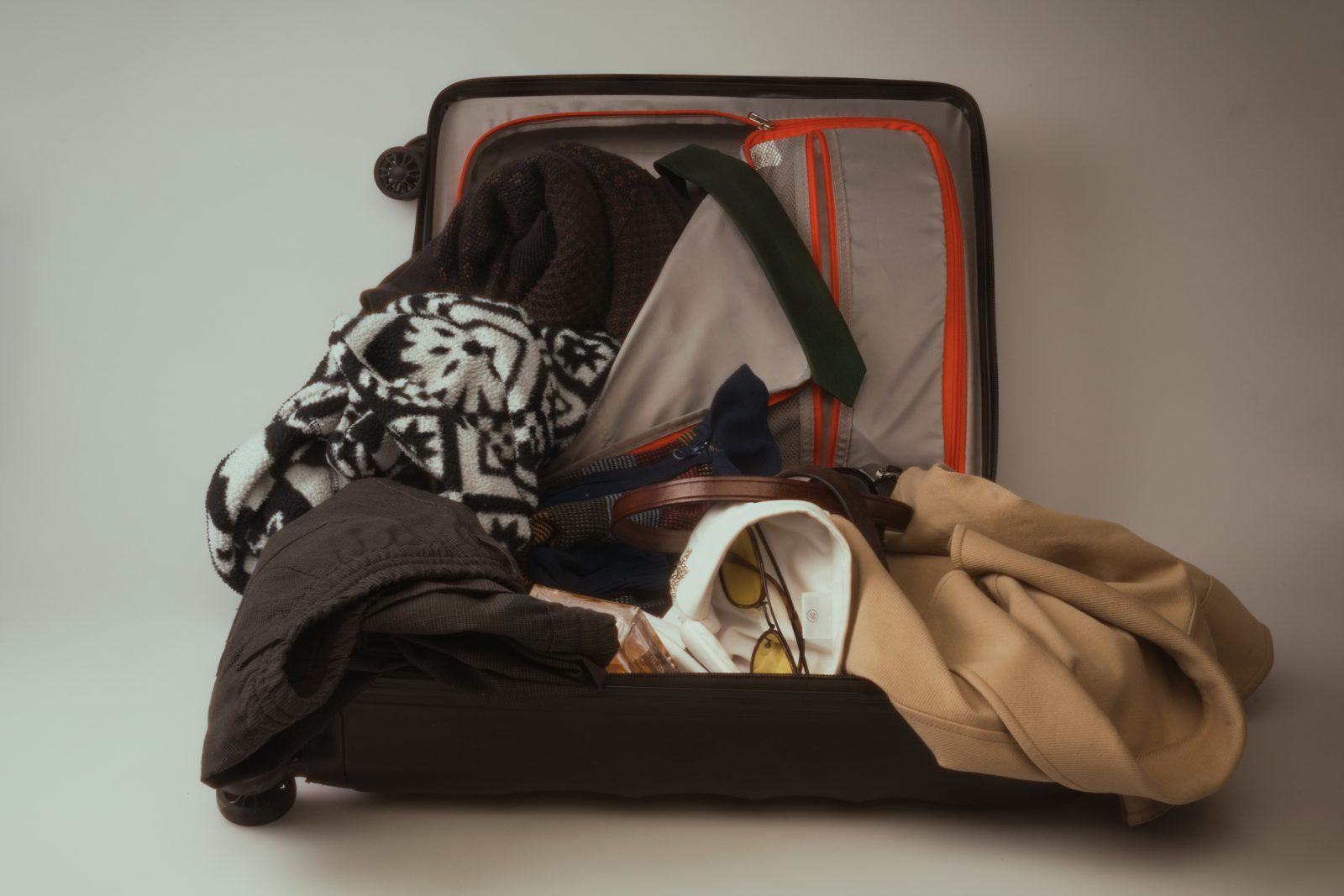
Neutral-colored clothing (khaki, olive, tan) - avoid bright colors and pure white, and skip dark blue/black in tsetse fly areas (Tarangire especially) since they're drawn to dark colors. Layers matter: mornings on open plains and crater rims can be genuinely cold, afternoons hot. A warm fleece or jacket for early starts, a wide-brim hat, and a light rain jacket for shoulder-season travel.
Footwear
Comfortable closed-toe shoes for game drives and any walking safaris; sandals for camp downtime. You generally won't need heavy hiking boots unless your itinerary includes Kilimanjaro or Mt Meru - those require their own dedicated gear list.
Health and sun protection
High-SPF sunscreen, insect repellent (DEET-based for evenings), a basic first-aid kit, and any personal medications in carry-on luggage, not checked bags. Malaria prophylaxis is worth discussing with a travel doctor before departure, as most safari regions are malaria zones.
Gear
Binoculars (bring your own if possible - shared vehicle pairs run out fast), a camera with a zoom lens if photography matters to you, spare batteries/memory cards, and a dry bag or dust cover for camera gear on dirt-road transfer days.
Documents and money
Passport with 6+ months validity, visa (check current requirements before travel), travel insurance details, and US dollars in good condition (post-2006 bills) for tips and incidentals - many rural areas don't accept cards.
What to leave home
Excess luggage - many small-plane transfers (for fly-in safaris) enforce strict weight limits, often around 15kg in a soft-sided bag. Pack light, do laundry at lodges if needed, and leave the hard-shell suitcase behind.