
If you only have time for one wildlife spectacle in Tanzania, most guides - including ours - will point you to Ngorongoro Crater. It's the world's largest intact, unflooded volcanic caldera, and the wildlife density inside it is almost unfair: an estimated 25,000 large animals live within its 260 km² floor year-round.
What you'll actually see
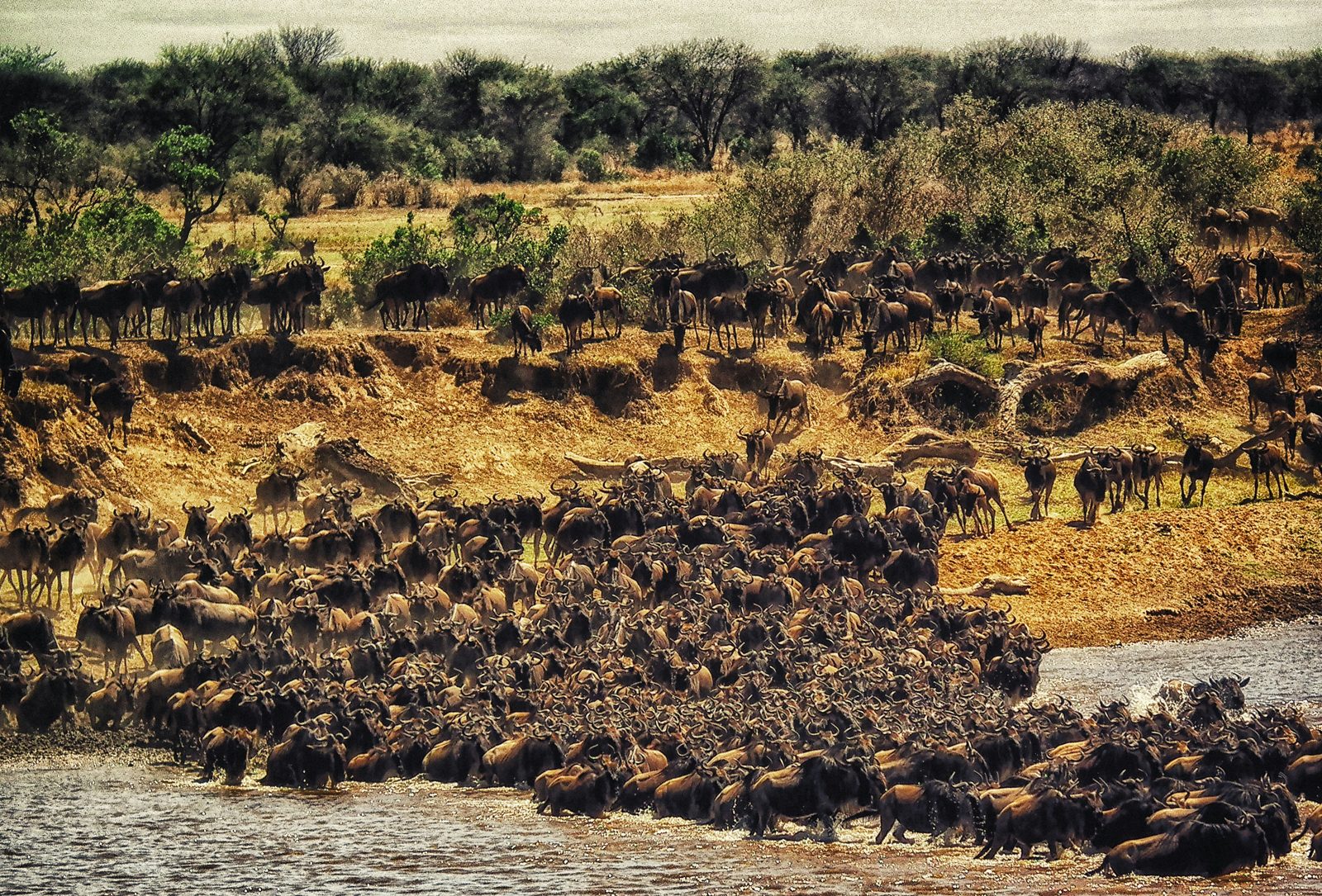
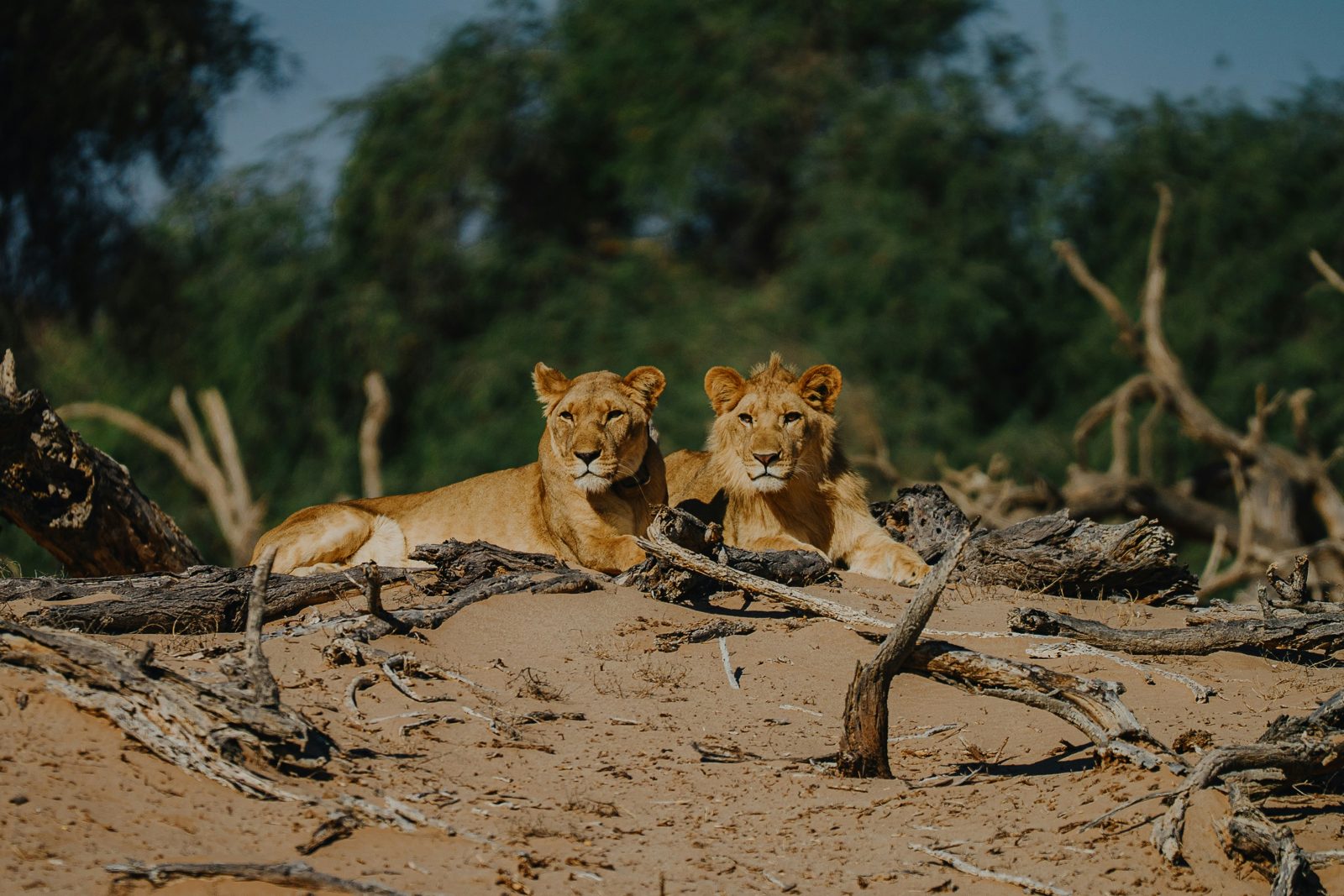
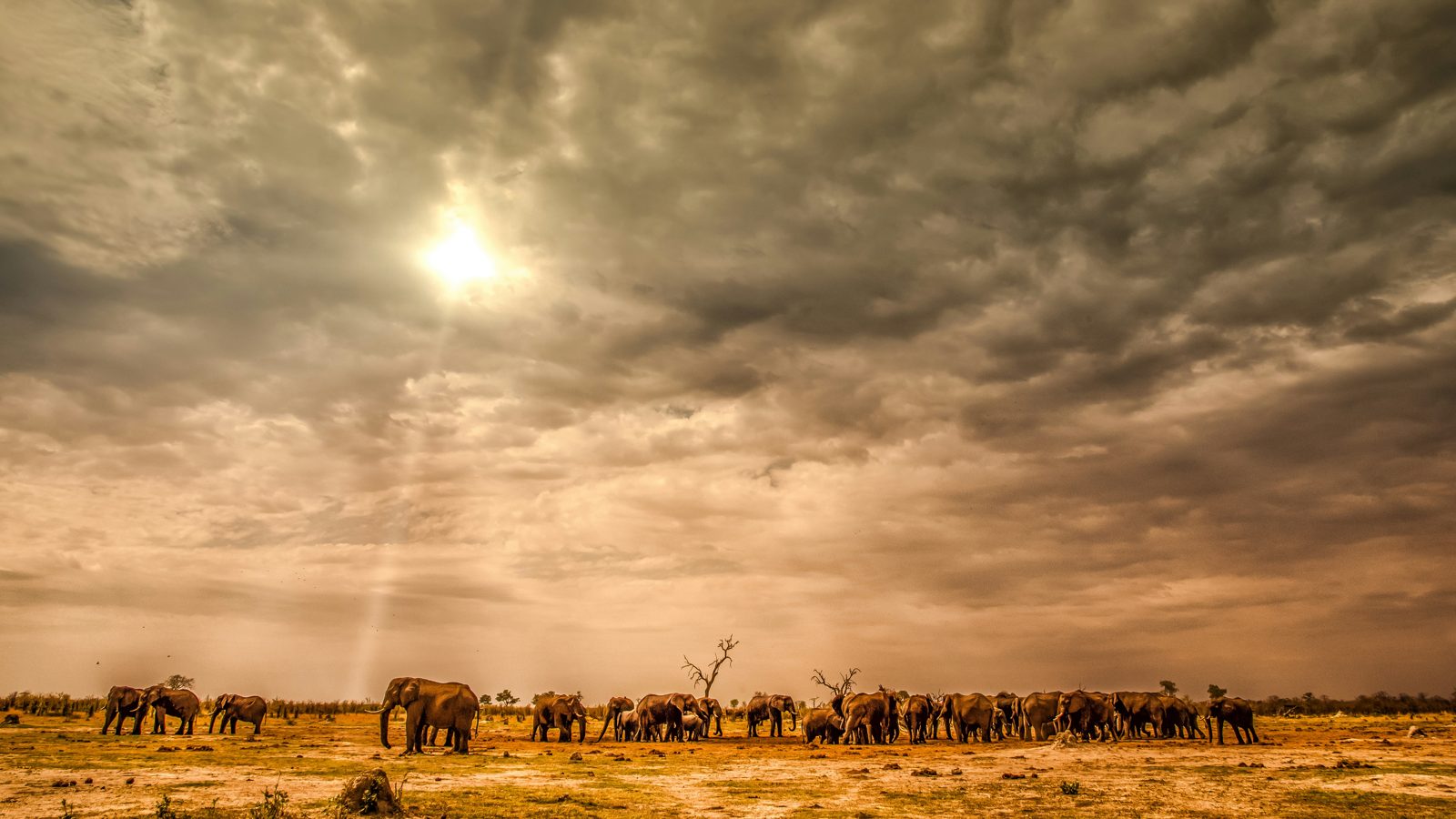
Lion prides that rarely leave the crater floor, dense herds of wildebeest, zebra and buffalo, and - if you're fortunate - one of Tanzania's remaining black rhino, tracked closely by rangers for their protection. Elephant bulls wander the forested crater rim. The one animal you won't find inside is the giraffe; the crater's steep walls are too much for their long legs to manage.
How a crater day actually runs
Most itineraries descend at dawn, spend the morning and into early afternoon on the crater floor (a picnic lunch by the Hippo Pool is a highlight), then ascend the crater walls in the late afternoon back to a rim or Karatu-area lodge. It's an early start and a full day - worth every minute of both.
Beyond the obvious: Empakai Crater
Most visitors never learn that Ngorongoro Conservation Area contains other calderas. Empakai, reached on foot through rainforest, holds a deep soda lake often lined with flamingos - and almost no other tourists. If you have an extra day and don't mind a 3-4 hour round-trip walk, it's one of the best-kept secrets in the region.
Practical notes
A separate vehicle service charge applies to descend into the crater (in addition to conservation area fees), which is why crater days often carry a noticeably higher price tag than a standard park game drive day. It's worth every dollar.