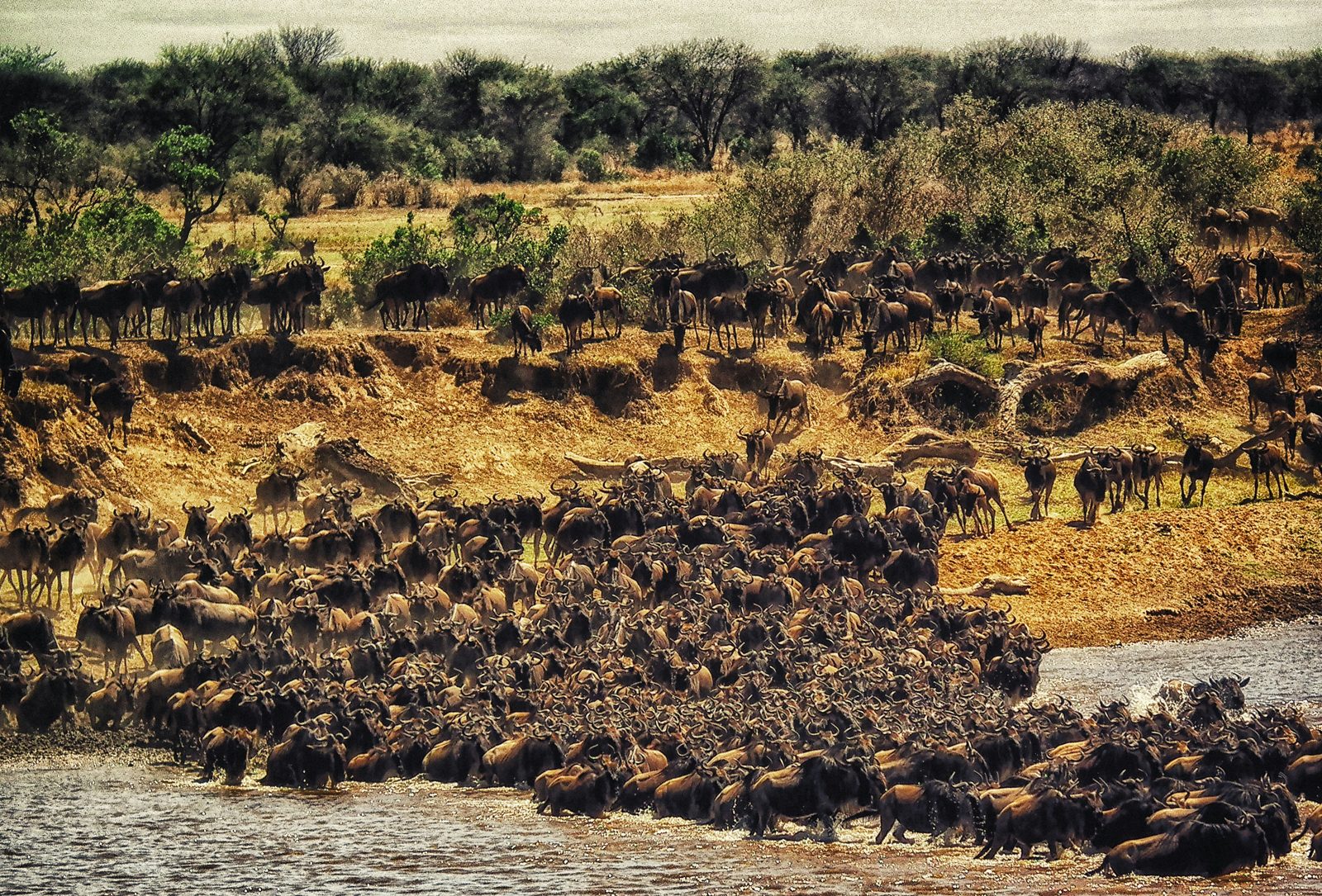
Between roughly December and March, the southern Serengeti's short-grass plains around Ndutu become a maternity ward for close to half a million wildebeest calves - most born within a few short weeks of each other. If the Mara River crossing is the migration's most famous scene, Ndutu is its most intense.
Why calving season rewards patient travelers
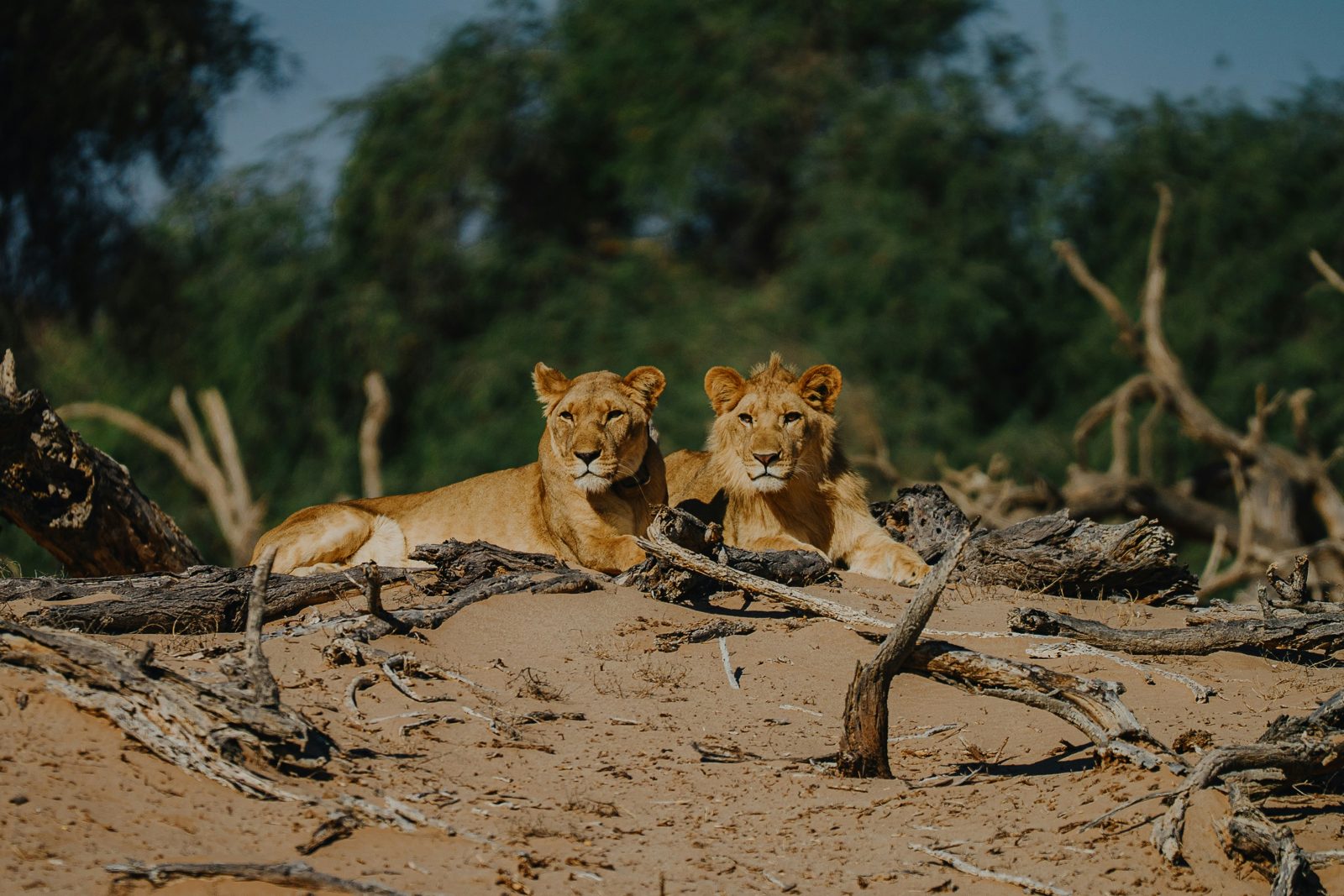
New calves mean predators. Ndutu in calving season delivers some of the highest predator-prey action anywhere in Africa - cheetah hunting on open plains in daylight, hyena clans working the herd edges, and lion prides that barely need to move to eat. Because the area isn't dominated by river-crossing tourism, vehicle density stays far lower than the northern Serengeti in migration season.
What a typical Ndutu day looks like
Full days are spent following herd movement across the plains, often venturing toward the "great marsh" area where concentrations are highest. Nights are spent at Ndutu-area camps and lodges, most operating on a full-board basis given the remote setting.
Timing tip
Late January through February tends to be the sweet spot - enough calves on the ground to guarantee predator activity, but before the plains dry out and herds begin their push north. Book your Ndutu nights 9-12 months out; the handful of camps positioned directly in the calving zone are small and go fast.
Pair it with
Most of our Calving Safari itineraries route through Lake Manyara or the Ngorongoro Crater on either end, turning a Ndutu-focused trip into a full Northern Circuit experience rather than a single-purpose visit.